Press release —
Major investments strengthen Gothenburg RoRo Terminal
Expanded terminal areas, new rail connections and modernised quays are among the investments that have strengthened Gothenburg RoRo Terminal in recent years. Traffic is also developing positively: in the first half of 2026, cargo volumes handled over the quay increased by five per cent.
Gothenburg RoRo Terminal is one of the Port of Gothenburg’s terminals for rolling cargo, with frequent sailings carrying trailers and other wheeled units to key freight hubs in the UK and Central Europe. The cargo comprises a broad mix of goods, ranging from food, forest products and steel to high-value electronics and components and materials for the automotive and engineering industries.
Over the past three years, the terminal has undergone extensive development. Larger, more contiguous terminal areas, additional rail tracks, new transshipment facilities and an improved ability to accommodate larger vessels are among the upgrades that have created a more modern, efficient and sustainable terminal operation.
A “2.0” feel
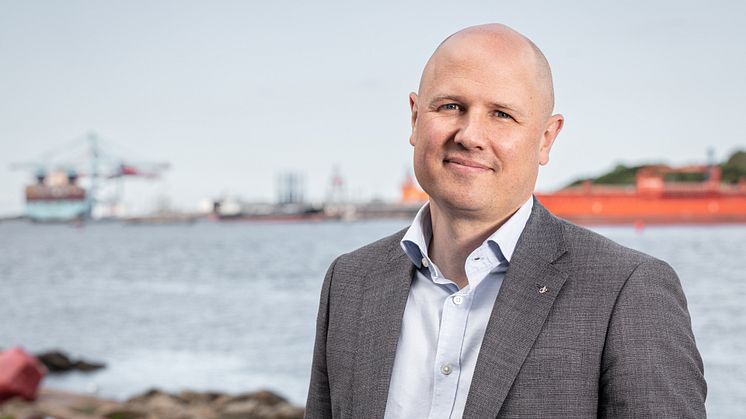
“Gothenburg RoRo Terminal has taken major steps forward and is very well equipped for continued growth. Upgrades to quays, rail connections, terminal areas and equipment have further strengthened efficiency. The rapid pace of development means there really is a ‘2.0’ feel to the terminal as a whole,” says Jacob Minnhagen, Senior Market Development Manager at the Port of Gothenburg.
These investments coincide with growing interest in intra-European shipping. Geopolitical uncertainty, tariff disputes and disruptions to global supply chains are prompting more companies to seek regional, predictable transport solutions with frequent connections to Europe’s major freight hubs.
Land transport in parts of Europe also faces capacity shortages and recurring disruptions. RoRo and short sea shipping can relieve pressure on heavily congested inland transport corridors and contribute to more stable, sustainable and resilient logistics flows.
Growing volumes
The terminal’s positive development is also reflected in cargo throughput. In the first half of 2026, volumes handled over the quay increased by five per cent compared with the same period the previous year.
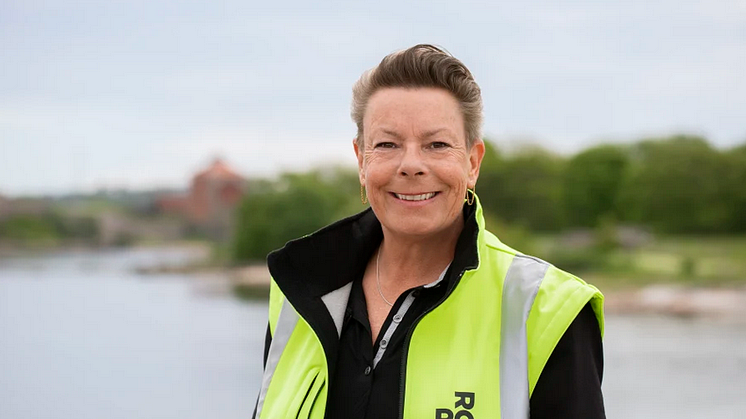
“We have taken a focused, long-term approach to developing the terminal’s capacity, quality and efficiency. The volume growth is a positive indication that this work is paying off. But we will not be complacent. We continue to improve and adapt our operations to meet the current and future needs of Swedish industry,” says Maria Franksen, CEO of Gothenburg RoRo Terminal.
Examples of completed upgrades
1. A larger, more efficient terminal area
In 2024, 144,000 square metres of new terminal space were completed in the outer port area. The expansion provided Gothenburg RoRo Terminal with a larger, more contiguous site and a more accessible operational area behind the key berths 712 and 713. The project was the port’s largest expansion since the RoRo terminal opened in the late 1970s.
2. Arken Intermodal Terminal
In 2023, Gothenburg RoRo Terminal took over the operation of Arken Intermodal Terminal, which is now an integrated part of its operations. This added 65,000 square metres of terminal space and seven rail tracks, allowing trailers to be transferred directly between trains and vessels.
3. “The Steel Tent” cross-docking facility
A building providing 11,000 square metres of space for handling steel products was constructed in 2025. The products arrive from inland locations by rail and are transferred for onward shipment to continental Europe.
4. “The Paper Roll” cross-docking facility
In 2024, the terminal invested in a 6,000-square-metre covered cross-docking facility for forest products.
5. A deeper, wider approach channel
During the 2022/2023 dredging season, the approach channel to the terminal’s quays was widened and deepened. This enables larger vessels to call and has also improved efficiency by allowing certain weather- and wind-related restrictions to be removed.
6. Larger, more modern vessels
CLdN and DFDS, the shipping lines making the most calls at the terminal, have both deployed larger, more modern vessels on their routes to and from Gothenburg.
7. Upgraded berth 710
Work to extend the quay’s projecting section and install a new ramp was completed in 2026. The upgrade enables larger vessels to use the berth and increases loading and unloading capacity.
8. Green hydrogen for heavy-duty transport
In 2024, a green hydrogen refuelling station was established immediately adjacent to the terminal. Both hydrogen-powered trucks and terminal vehicles can refuel here.
9. Upgrading the eastern quay
The terminal’s eastern quay is also set to be upgraded and adapted to accommodate larger, more modern vessels.
Topics
Fact file: Port of Gothenburg
The Port of Gothenburg is the largest port in Scandinavia, handling around 20% of Swedish trade and more than half of all container traffic. As a full-service port it connects business to key markets around the world 24/7/365.
The port is committed to safe, efficient and sustainable shipping. Handling energy products, vehicles, ro-ro units, containerised cargo, it plays an important role in supporting streamlined shipping operations and long-term growth in global trade. With over 30 daily rail shuttles, the port also offers direct, reliable and climate-neutral connections for intermodal transport across Sweden and Norway.
Follow us on:
Facebook
Instagram
LinkedIn
Twitter
www.portofgothenburg.com